

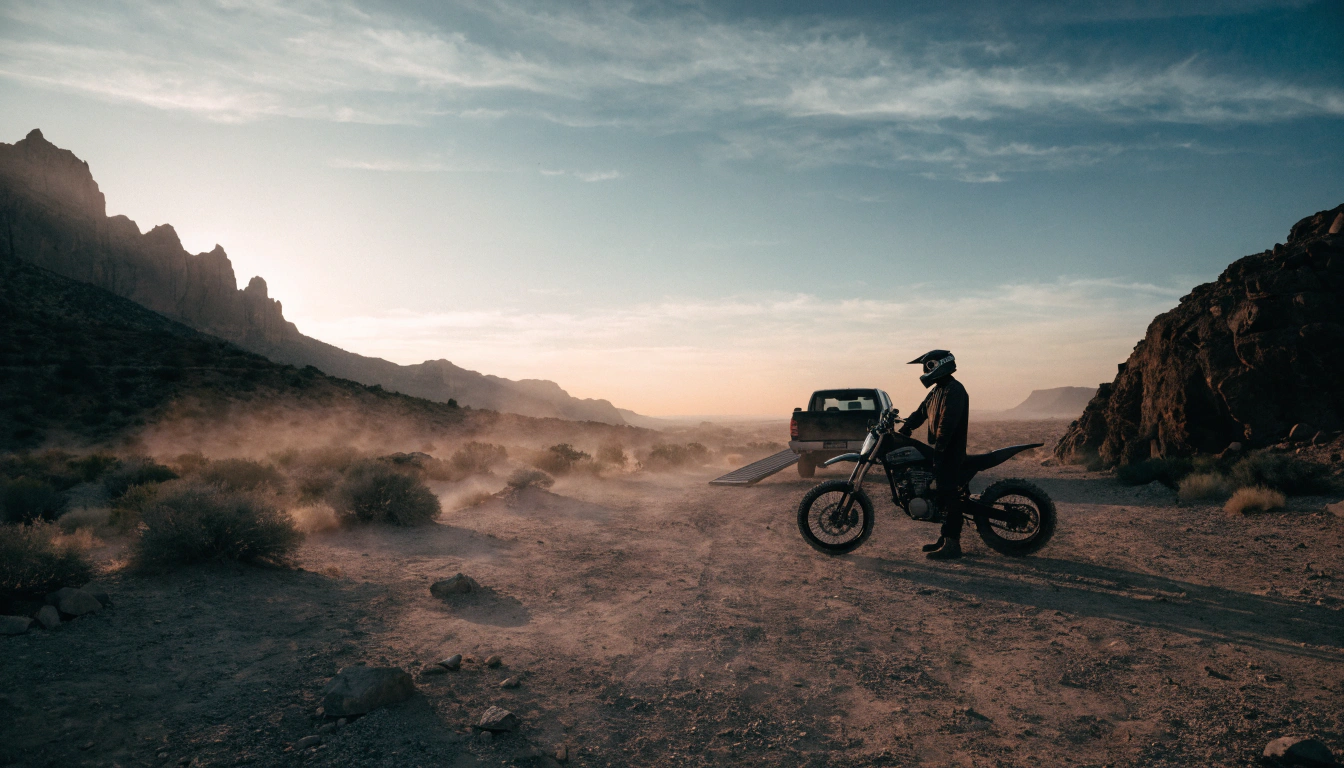
Most Reliable Dirt Bike Brand: Which Lasts Longest & Holds Value
Marcus spent three weekends deep in forum threads before he spent a dollar. One question, over and over: which brand won't leave him pushing a dead bike two hours back to the truck? He never found a straight answer. Truth is, nobody has one.
Because the question is slightly wrong. There's no single most reliable dirt bike brand for everybody. There's a best one for the way you ride. A guy who races every other weekend and a dad who pulls the bike out twice a month aren't shopping for the same machine, even if they type the same thing into Google. So this guide does it the useful way: engine life, upkeep, parts you can actually find, what the thing's worth when you sell it. Plus the electric option nobody else seems to want to talk about.
|
Short version. Honda, Yamaha, and Kawasaki are among the most reliable dirt bike brands. Honda generally lasts the longest and often requires the least maintenance, while Yamaha is a strong all-rounder. Kawasaki offers solid performance at a competitive price, and KTM and Husqvarna can also be dependable when serviced on schedule. Electric dirt bikes have fewer engine parts to wear, which may reduce routine mechanical repairs.
|
What “Reliable” Actually Means for a Dirt Bike
Reliability isn't only about how often a bike breaks. It's also about what happens after it does. Can you fix it cheap? Same day? Or are you waiting three weeks on a bearing from overseas? A bike that needs its valves checked constantly, or hides its parts behind a thin dealer network, isn't dependable — doesn't matter how strong the engine is on paper.

So score a brand on three things. How long the engine lasts. How much maintenance it begs for. How easy the parts are to get. Then there's a fourth nobody likes saying out loud: neglect tolerance. Some bikes forgive a lazy owner. Some don't. A Honda CRF250F will run for years on oil changes and a clean filter, no drama. A race-tuned 450 will hand you a bill the first time you skip a service.
And context is everything here. A pro motocross bike is built to make maximum power on a strict diet of maintenance — not to sit in a shed all winter and fire up in March. Calling that bike “unreliable” misses the point. It's like complaining a race car gets bad gas mileage. It's doing exactly what it was built to do. So when you compare brands, compare bikes meant for the same job. Trail to trail. Racer to racer.
Most Reliable Dirt Bike Brand by Rider Type: Quick Verdict
Use this most reliable dirt bike brand by rider type guide to match your riding style, skill level, maintenance preference, and terrain with the right brand.
|
Rider Type
|
Top Pick
|
Why
|
|
Beginners & trail riders
|
Honda
|
CRF-F series survives tip-overs and skipped services; air-cooled engines run for years.
|
|
Motocross & track
|
Yamaha
|
YZ250F / YZ450F engines and KYB suspension hold up to race stress.
|
|
Hardcore enduro
|
KTM / Husqvarna
|
Class-leading suspension and light weight — if you keep the service schedule.
|
|
Daily & dual-sport
|
Honda / Kawasaki
|
CRF300L and KLR650 run mild and stretch service intervals into the thousands of miles.
|
|
Low-maintenance off-road
|
Electric (Valtinsu)
|
No valves, clutch, or top-ends to fail; battery and brakes are the only real upkeep.
|
The Japanese Big Four: Proven Long-Term Dependability
Honda, Yamaha, Kawasaki, and Suzuki make up the Japanese Big Four, while Honda, Yamaha, and Kawasaki are often grouped as the top three most reliable dirt bike brands.
Honda, Yamaha, Kawasaki, Suzuki. The Big Four built their names on reliability, and all four earn it. But they don't get there the same way, and lumping them together is how people end up with the wrong bike. Here's where each one actually shines.

Honda — The Benchmark for Bulletproof Engineering
Honda over-builds, then tunes conservatively. That's the whole philosophy. The old air-cooled XRs and today's CRF-F trail bikes take a beating and ask for almost nothing in return — “you can't kill a Honda” is a worn-out line because it keeps turning out to be true. The CRF250R and CRF450R race bikes are tougher than people give them credit for too, though those need real service like any modern racer. Pair all that with a dealer on practically every corner and parts you can grab same-day, and Honda is the default answer for anyone who wants to ride more and wrench less.
Yamaha — Best Balance of Performance and Durability
Nobody splits the difference between fast and durable quite like Yamaha. The YZ450F's crossplane crank is genuinely quick and still lasts. The YZ250F has been a motocross staple for years on the strength of its engine alone. Off-road, the WR250F and WR450F are the bikes you see still running a decade later. Owner surveys keep showing the same thing — fewer chronic headaches than the competition. If you can't decide, Yamaha is the safe place to land.
Kawasaki & Suzuki — Value Workhorses
Kawasaki's pitch is simple: more bikes for the money. The KX motocross machines are race-proven, and the KLX trail line — the KLX230, the KLX300R — is the kind of thing you hand a buddy without a second thought. Suzuki's lineup has gotten thin, but the DR-Z400 refuses to die. It's one of the simplest, most stubborn dual-sport motors ever built, and owners rack up absurd mileage on them. The catch is, Suzuki parts can take a little more hunting than Honda or Yamaha bits. For a no-drama daily ride, though, that DR-Z is still hard to argue with.
The European Trio: Performance With a Maintenance Premium
KTM, Husqvarna, and GasGas can be highly reliable when serviced on schedule, but they tend to punish missed maintenance more quickly than Japanese trail bikes.
KTM, Husqvarna, and GasGas all live under one roof now — Pierer Mobility AG — so they share a ton of hardware. Brembo brakes, WP suspension, frames you can practically pick up with one hand. Their idea of reliable is different, though. It means finishing the race, not surviving six months ignored in the garage.
Keep one of these to the book and it'll be rock solid. The book just asks for more: oil changes sooner, valve checks more often than any Japanese trail bike wants. Skip them and the bike lets you know fast. GasGas, by the way, is basically a KTM in different clothes with a friendlier price — so if you want that performance without the KTM sticker, there's your shortcut. But the trade is the same across all three. They love an owner who enjoys the wrench. They punish the set-it-and-forget-it type.

|
What the owner data keeps showing: the European bikes start strong, then the long-term complaints drift toward electronics — fuel pumps, injectors, sensors — more than you'll hear about a simple Japanese trail bike. Makes sense. More performance means more parts, and more parts means more things that can quit on you. Simpler machine, fewer surprises.
|
Best for Beginners and Younger Riders
First bike? You want something forgiving and tough to wreck. Honda's CRF-F line and Kawasaki's KLX series both fit — mellow power down low, electric start, engines that shrug off a botched shift. And if you're buying for a kid or a teen, honestly, fit and age rating beat top speed every time. A bike that's too tall or too fast doesn't build confidence; it builds emergency-room stories. We broke this down further in our guide to the best electric dirt bike for teens, if that's who you're shopping for.

|
EM-5 — Adult Electric Off-Road Motorcycle (13+)
48V geared mid-drive motor | 3,840W peak | 148 lb-ft torque | 40 mph (three modes: 22 / 32 / 40) | IPX6 | Age 13+. The only Valtinsu model rated for riders under 16 — built for first dirt rides on private land and OHV parks, not public roads.
From $1,259 USD | Free U.S. shipping over $999. See EM-5 specs and age rating →
|
The Electric Alternative Most Brand Guides Skip

Here's what the Honda-versus-Kawasaki pieces always leave out. Half the stuff that fails on a gas dirt bike simply isn't there on an adult electric off-road motorcycle. No valves to chase. No clutch to cook. No top-end rebuilds, no carb to clean, none of those won't-start mornings after the bike's been parked since November. Fewer parts, fewer things that quit on you — that's the entire electric reliability argument in one line. Valtinsu built its full electric dirt bike lineup on exactly that bet.
That doesn't mean zero maintenance. The work just moves. Instead of oil and valves, you're keeping an eye on the battery and the brakes. Charge the pack before it bottoms out, use the charger it came with, store it somewhere cool and dry. And the certification matters more than people think — the CPSC has been pushing makers toward UL-rated battery systems for a reason. Name-brand cells and proper certs are the line between a pack you trust and one you read about in a recall notice.
One thing I won't soft-pedal: these are off-road machines. Dirt, private land, OHV parks. Not the street. Federal rules cap a real e-bike at 750W and 20 mph, and a 5,600W bike doing 52 isn't in that conversation — it's a different animal. So if you're picturing road rides, read our street-legal dirt bike guide first. Save yourself a ticket.
Which Brands Hold Their Resale Value

Reliability and resale are joined at the hip, more than most buyers stop to think about. A bike with a reputation for lasting holds its money, plain and simple, because the next guy trusts it not to hide some expensive surprise. That trust is worth real dollars on the listing.
The bikes that hold value are the ones that earned their reputation the boring way. Honda's CRF-F trail bikes and the old XR650L. Yamaha's YZ-F and WR-F line. The Suzuki DR-Z400, which somehow never goes out of style. European race bikes can shed value quicker — high hours and a fat maintenance bill spook used buyers — but a folder of service receipts goes a long way toward fixing that. And three things tank any resale price fast: skipped maintenance, a pile of mods, and parts nobody can find. Keep it stock, keep it clean, keep the paperwork.
The Verdict: Match the Bike to the Owner You Actually Are
The most reliable dirt bike brand for you depends on your riding style, maintenance habits, budget, and the type of terrain you ride. No single winner. One clear pick per kind of rider, though. Honda for the trail crowd and the beginners — most engine life, least hassle. Yamaha when you can't decide and want one bike that does it all. Kawasaki for the value hunters, Suzuki's DR-Z400 for the low-fuss dual-sport life, and KTM, Husqvarna, and GasGas for the riders who'd genuinely rather be in the garage on a Saturday than not.
And if you ride for fun, off-road, electric belongs in that conversation now — hardly anything to break, almost nothing to do between rides. Look, the badge on the tank was never the real answer. You are. Pick the bike whose upkeep matches how much wrenching you'll actually do, stay on top of the basics, and just about any of these turns into a machine you trust instead of one you fight.
Which Valtinsu Fits Your Riding?

|
EM-5 Pro — Adults 18+ only
60V geared motor | 5,600W peak | 177 lb-ft | 52 mph (26 / 40 / 52 modes) | 59-mi range | IPX6. Black or Volt Green. Built for fire roads, singletrack, and 45° grades. See EM-5 Pro trail specs
EM23 — Adults 16+
60V geared motor | 4,000W peak | 184 lb-ft (highest in the lineup) | 43.5 mph | 19”/17” wheels | 4-second sprint. Cruiser geometry for open-ground confidence. See EM23 open-ground specs
Age rule — no exceptions: EM-5 = 13+ | EM23 = 16+ | EM-5 Pro = 18+ adults only. Parents shopping for a rider under 16 must choose the EM-5.
|

Conclusion
The most reliable dirt bike brand depends on your riding style, maintenance habits, and budget. Honda suits riders who want long service life and lower maintenance, while Yamaha offers balanced performance across different riding styles. And here's the bit that tends to get forgotten: the brands that last the longest are usually the ones that hold their money best, because longevity is exactly what the next buyer is paying for.
Then there's electric, the newer answer to an old question. For trail and recreational off-road riding, an adult electric off-road motorcycle drops most of the parts that fail on a gas bike and hands you battery care and brake checks instead. Whichever camp you land in, the rule doesn't change: buy the machine whose upkeep fits your habits, ride it the way it was built to be ridden, and don't skip the basics. Do that, and the badge barely matters.
FAQs
What dirt bike brand lasts the longest?
Honda, pretty much every time. The air-cooled XR and CRF-F trail bikes will run for years on nothing fancier than oil changes and a clean filter — that's what conservative tuning and over-built parts buy you. Yamaha and the Suzuki DR-Z400 aren't far behind for the same reason: simple engines that never get pushed to their limit. But honestly, lifespan rides on upkeep as much as the badge. Keep the filter clean and the oil fresh and any of them will surprise you.
Is KTM better than Honda?
KTM is the better choice for riders who prioritize race-focused performance and sharper handling, while Honda is better for long-term reliability and lower maintenance. Honda wins the long game on low-maintenance dependability. The catch with KTM is the service schedule: more valve checks, tighter oil intervals, and it'll bite if you ignore them. A Honda trail bike just shrugs. So if you like wrenching, KTM. If you'd rather ride and forget, Honda.
What brand is the best for dirt bikes?
There isn't a single best one, only the best for you. Honda, Yamaha, and Kawasaki sit at the top of most lists — durable engines, parts everywhere, decades of proof. KTM and Husqvarna own the hardcore off-road end, and Suzuki's DR-Z400 is the value play that refuses to quit. If you ride recreationally and off-road, an electric model is worth a real look now too. Match it to your riding, then test ride before you buy.
What are the top 3 most reliable dirt bike brands?
Honda, Yamaha, Kawasaki — in that rough order. Honda takes it for bulletproof trail engines and over-built everything. Yamaha balances real performance with durable four-stroke motors. Kawasaki gives you rugged construction without the top-shelf price. All three ride on huge dealer networks, so parts are cheap and easy to find. Genuinely can't go wrong with any of them.
Is 250 or 450 faster?
A 450, most of the time. More cc means more power and torque, so it pulls harder and runs faster out in the open. The 250 can actually feel quicker in tight, twisty stuff because it's lighter and easier to throw around. If you're new, start on the 250 — a 450's punch is a lot to handle before your skills catch up to it.
Is Yamaha or KTM more reliable?
For everyday, leave-it-alone riding, Yamaha. The four-stroke engines and KYB suspension just hold up, and owner surveys keep backing that up with fewer long-term gripes. KTM can be every bit as reliable — but only if you follow the manual to the letter. Miss a service or two and the gap opens fast. Want fewer trips to the workbench? Yamaha's your bike.
Is GasGas just a KTM?
Basically, yeah. GasGas, KTM, and Husqvarna all live under Pierer Mobility AG and share the important stuff — engines, frames, suspension. A GasGas is a KTM platform in different paint, with simpler trim and a friendlier sticker. So if you want KTM-level performance and durability for a bit less cash, GasGas is the clever way in.
What are the big 4 dirt bike brands?
The four big Japanese makers: Honda, Yamaha, Kawasaki, and Suzuki. They've run the market for decades on proven reliability, sharp engineering, and the biggest dealer and parts networks anywhere. They build the whole spread, from kid-sized trail bikes to championship motocross machines. The cheap, everywhere-available parts are a huge reason people keep recommending them.
Sources
- U.S. Consumer Product Safety Commission — Bicycle Requirements Business Guidance (750W / 20 mph e-bike definition)
- U.S. Consumer Product Safety Commission — Micromobility Information Center
- U.S. Consumer Product Safety Commission — Call to Comply with UL Battery Safety Standards
- U.S. Consumer Product Safety Commission — ATV / Off-Highway Vehicle Business Guidance
- Valtinsu — Electric Dirt Bike Collection
- Valtinsu — EM-5 Electric Off-Road Adult Dirt Bike


Looking for something else?
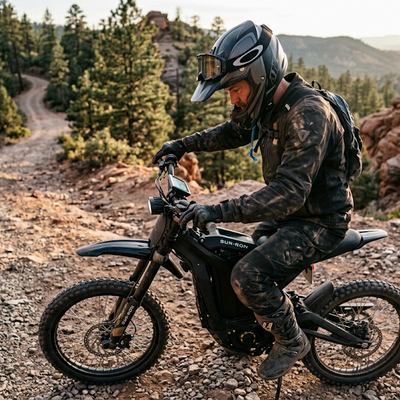
Electric Dirt Bike Loses Power Under Load: Causes and How to Fix It
LEARN MORE
Electric Dirt Bike Bolt Torque Checklist: What to Check and Where the Numbers Come From
LEARN MORE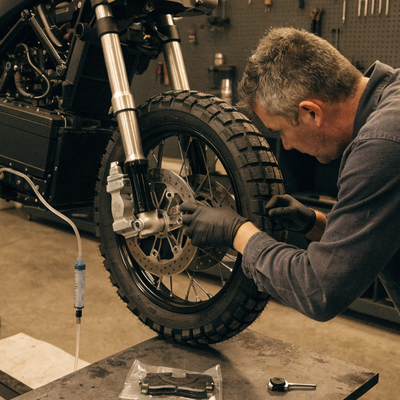
How to Bleed Electric Dirt Bike Brakes Safely
LEARN MORE
Electric Dirt Bike Throttle Not Working: What to Check First
LEARN MORELooking for something else?
Electric Bike Battery Not Charging? Work Through This Before You Buy a New One
LEARN MORE
Electric Dirt Bike Error Codes: What They Mean and What to Check First
LEARN MORE
Electric Dirt Bike Brake Rotor Rubbing: Diagnose the Cause Before Adjusting
LEARN MOREYou may also like
VALTINSU EM-5 Off-Road Electric Dirt Bike
$969.00
$1,559.00
VALTINSU EM-5 Pro Off-Road Black Electric Dirt Bike
$1,699.00
$1,899.00
VALTINSU EM-5 Pro Green Electric Dirt Bike
$1,699.00
$1,899.00
VALTINSU EM-5 Ultra Electric Dirt Bike
$2,199.00
$2,499.00
VALTINSU EM-5 & EM-5 Pro Combo
$2,658.00
$3,458.00
Further reading
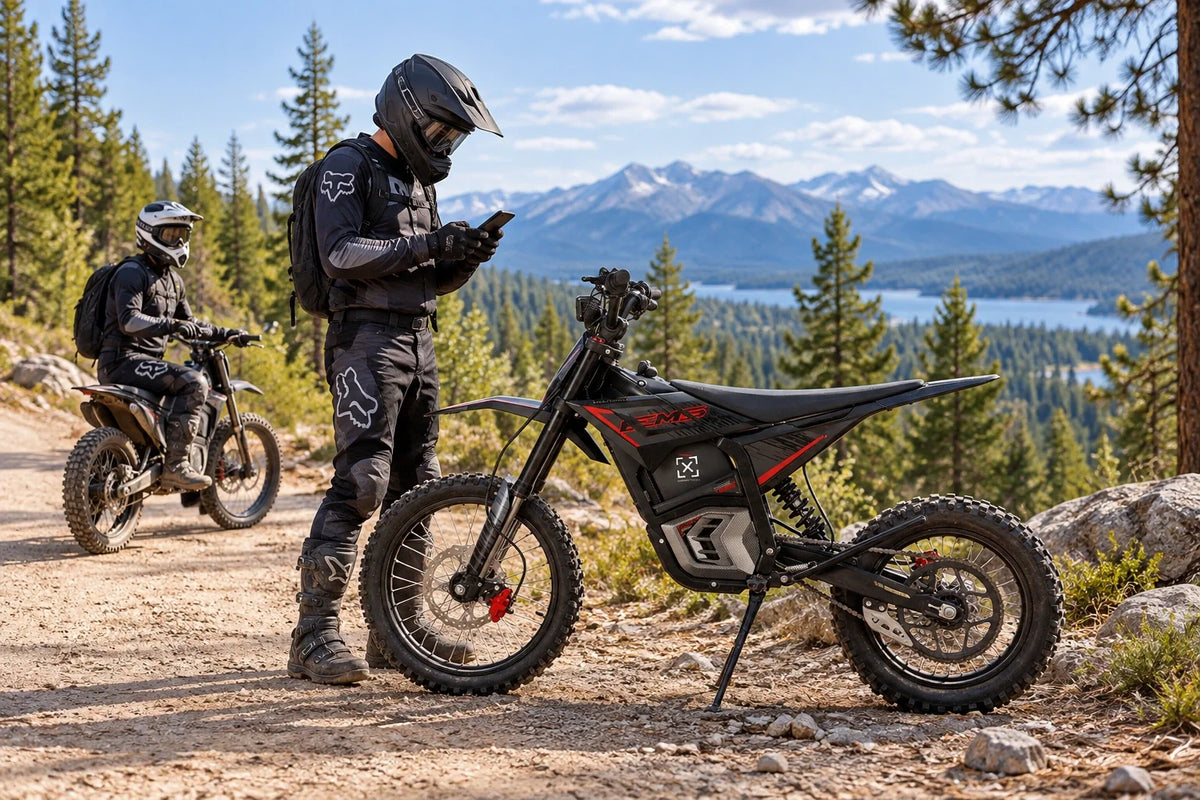
Electric Dirt Bike Trailside Power Loss: Recovery Plan When the Battery Is Dead
When an electric dirt bike loses power on the trail, first make the scene safe and decide whether the battery is simply depleted or the bike has a fault. Move out of the travel line if the bike can...
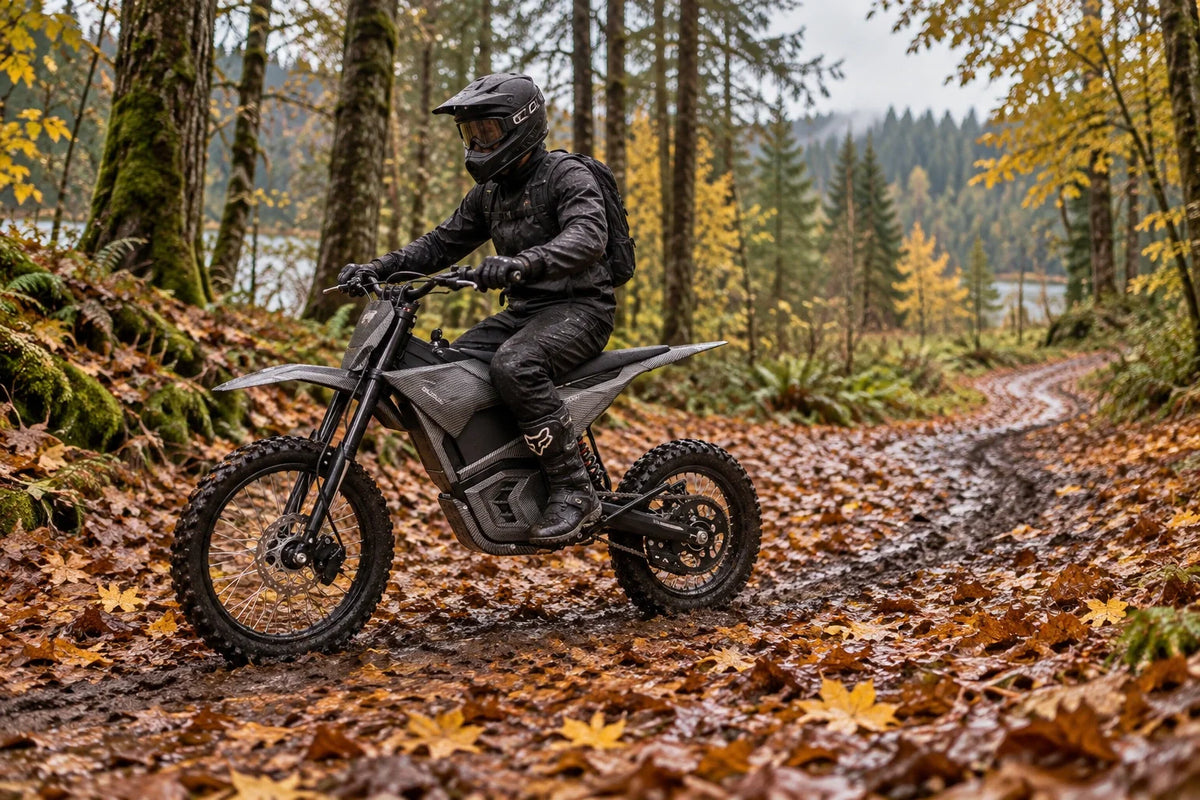
Electric Dirt Bike Fall Riding on Wet Leaves: Grip, Hidden Obstacles and Braking
Wet leaves reduce grip and hide the surface that determines it. A thin layer on firm soil may slide under braking; a deep layer can conceal roots, rocks, ruts and holes; decomposing leaves can beha...
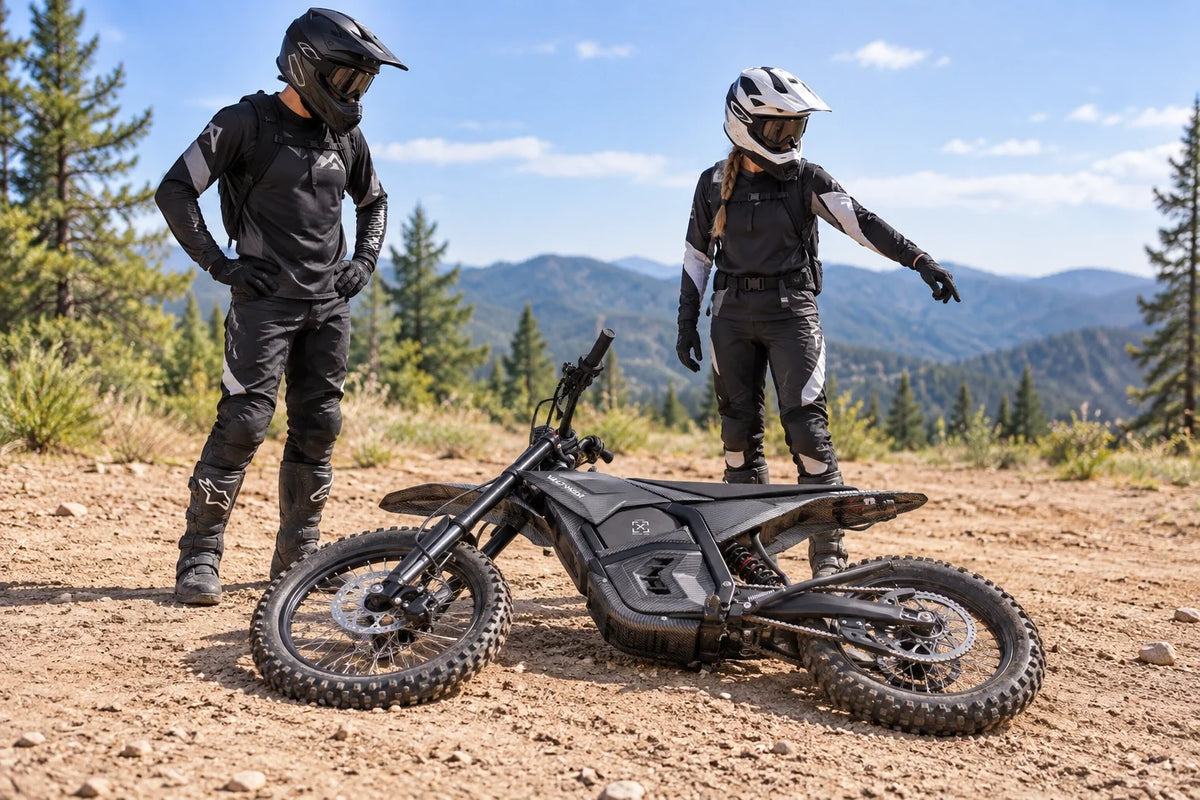
How to Lift a Fallen Electric Dirt Bike Without Hurting Yourself or the Bike
Do not lift a fallen electric dirt bike until people, terrain and battery hazards are assessed. A bike on a slope, near traffic, pinning a rider or showing battery heat, smoke, hissing, odor, swell...
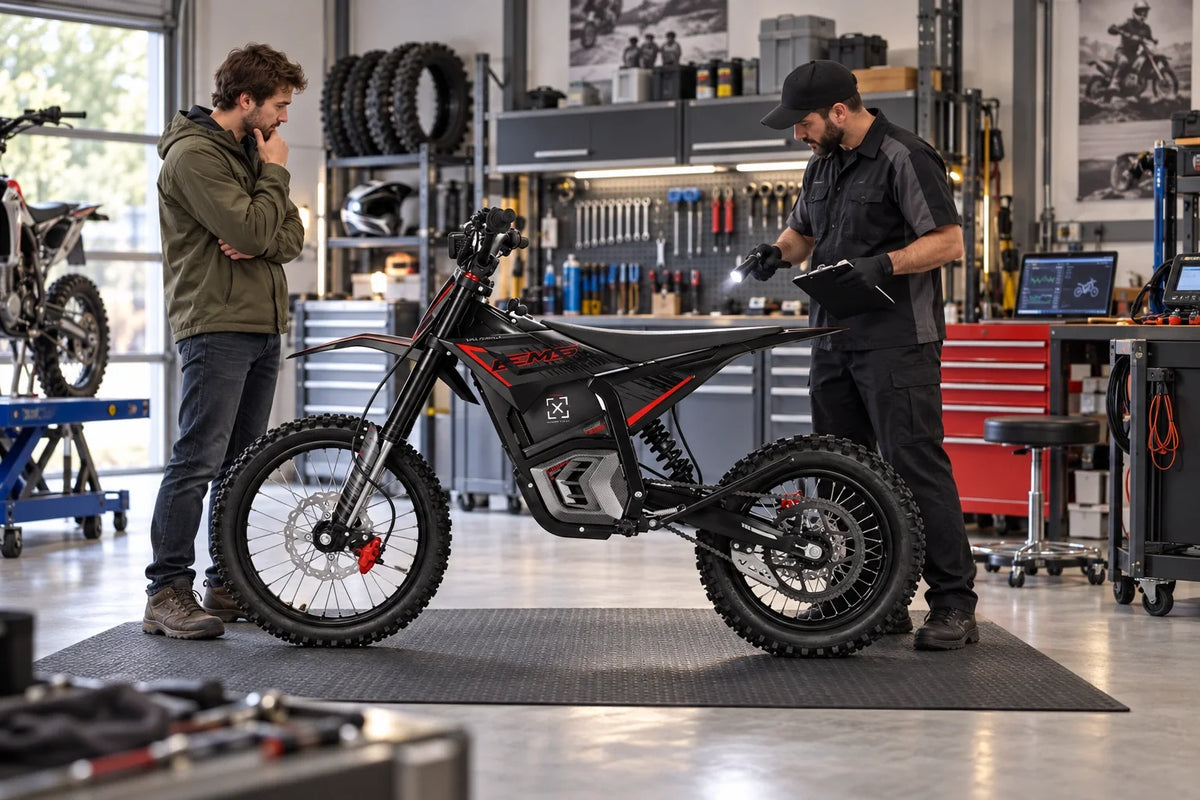
How to Choose an Electric Dirt Bike Repair Shop: Questions to Ask Before Service
Choose an electric dirt bike repair shop by matching the shop’s real capability to the actual job. Ask about experience with the model and component, access to manuals and parts, battery isolation ...