

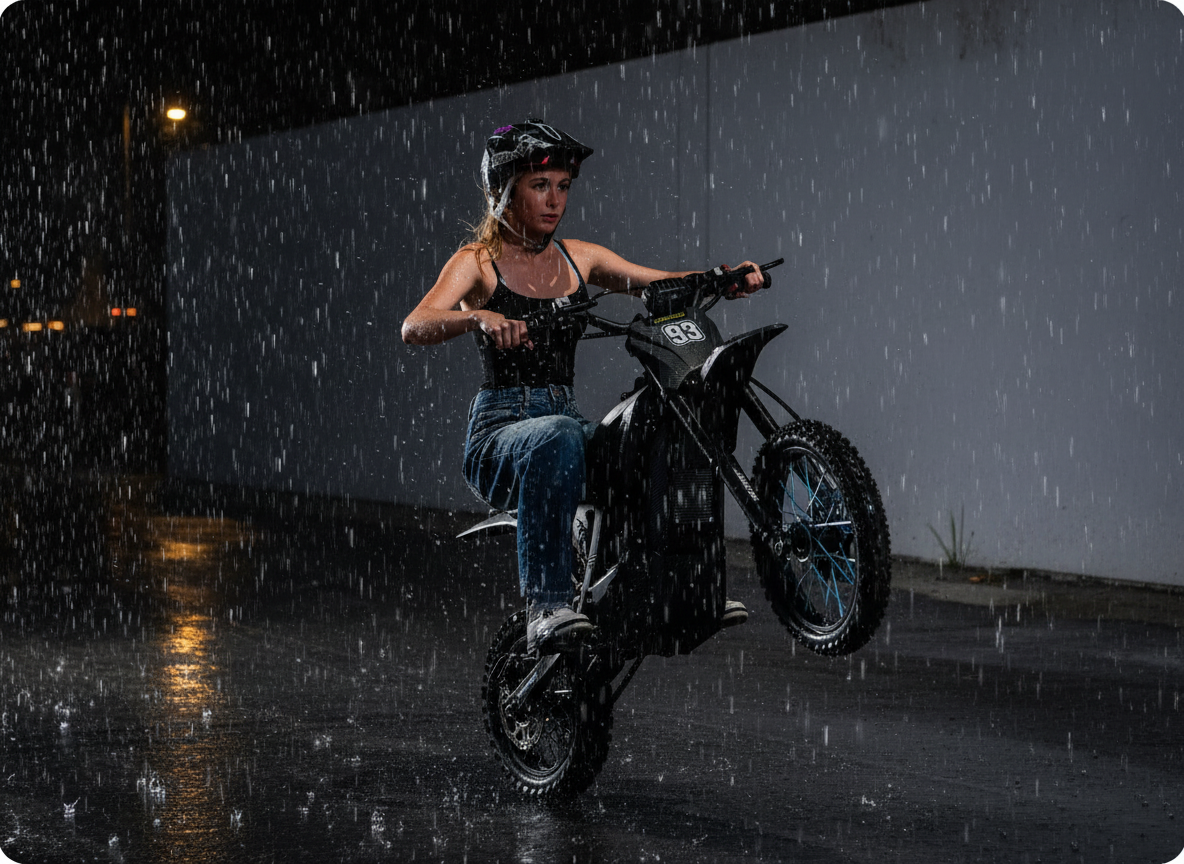
Can You Ride an Electric Bike in the Rain? Waterproofing & Safety Tips
Can you ride an electric bike in the rain? Yes, in light to moderate rain, and on wet streets too. All fine. The word that trips people up is the one the ads skip. Water-resistant. Not waterproof. Your e-bike is sealed against splashes and rain, somewhere in the IPX4 to IP65 range on many commuter and trail models, so check your manual for the exact rating. Underwater is where it stops. So the rule is two lines. Rain, fine. Motor or battery submerged, not.
That covers most of what people actually want to know. The rest is detail. What your rating allows. What wet does to the battery. And the one after-ride habit that decides whether a rainy commute costs you anything.
The Short Answer, and Why It Has a Catch
Two facts, and everything follows from them. The bike resists water. It does not survive being dunked in it. Riding an electric bike in the rain is fine because the bike is water-resistant, not waterproof, and that difference is the whole story.
Water-Resistant vs Waterproof
Different words. The gap between them matters. Water-resistant, the electrical system shrugs off splashes and spray and rain for a while. Waterproof would mean you could take it under, like a submarine. No consumer e-bike is that. Closest comparison is a splash-proof phone. Survives a downpour in your pocket. Dies if you go swimming with it. The battery casing, the motor, the controller, all sealed. The connectors hanging off them are the weak point.
When Rain Is Fine, and When to Stay Home
Drizzle, a steady shower, soaked roads. Ride. Depth and force are where it flips. Water deep enough to reach the motor or battery. A flooded underpass. A storm flinging spray at you on a fast road. Wait those out. The r/ebikes crowd lands where most mechanics do. Treat it like driving in the rain. Brake early. Never submerge it.
What Do IP Ratings Mean for an Electric Bike?
IP stands for Ingress Protection. The IEC built the scale to show how well an enclosure keeps out dust and water. You see it two ways. IP plus two digits, like IP65. Or IPX plus one, like IPX5.

Decoding the Numbers
Two digits, two jobs. First digit is dust, second is water. So in IP65, the 6 means dust-tight and the 5 means jet-resistant. See an IPX? The X just means dust was not tested. The number after it is still the water rating. For electric bikes, this IP rating tells you how much rain and spray the electronics can safely handle. That is the one you care about for rain. Here is the water scale, from a standards reference:
The IPX4, IPX5, and IPX6 ratings on an electric bike define what level of rain riding is safe, and the table below maps each one to the wet conditions it can actually take.
|
Rating
|
Protects Against
|
What You Can Do in the Rain
|
|
IPX4
|
Splashing water from any angle
|
Light to moderate rain, wet roads, short commutes
|
|
IPX5
|
Low-pressure water jets
|
Steady rain, more confidence in heavier showers
|
|
IPX6
|
Powerful water jets
|
Heavy spray and wet trails; off-road wet riding
|
|
IPX7
|
Temporary immersion (~1m, 30 min)
|
A quick splash through a puddle; still not for dunking the whole bike
|
|
IP65
|
Dust-tight plus jets
|
Everyday wet-weather commuting, dusty and wet
|
One caution the chart cannot show. A rating covers the part it was tested on, not the whole bike. An IPX7 motor does not make your display or charge port immersion-safe. Ride to the lowest rating on the bike. Not the highest.
Typical Ratings by Component
Manufacturers seal the big enclosures well and leave the joints exposed. That is where water gets in. Roughly how the parts stack up:
|
Component
|
Typical Protection
|
Rain Risk
|
|
Battery casing
|
Sealed, water-resistant
|
Low (casing) / higher at the contacts
|
|
Motor
|
Sealed housing
|
Low for splashes, never submerge
|
|
Controller
|
Sealed box
|
Low, unless a seal is worn or cracked
|
|
Display / console
|
Variable, often the weakest
|
Moderate; cover it on long wet trips
|
|
Connectors / contacts
|
Exposed
|
Highest; this is where intrusion starts
|
Spec Inflation: When the Box and the Manual Disagree
Worth knowing before you trust a number. Owners report bikes advertised at IPX5 whose own support team tells them to keep it out of the rain. One r/ebikes thread captured exactly that gap between the marketing and the manual.
So verify in the actual owner's manual, not the sales page, and when a brand hedges, believe the hedge. The AI Overview for this topic makes the same point: water-resistant, not waterproof, whatever the box says.
What Happens If Your E-Bike Battery Gets Wet?
What happens if an e-bike battery gets wet? Usually nothing from a splash, but water that gets past the seals is the real problem. Two things can go wrong, one mild and one not.
First, performance. Moisture at the cells or connectors can drop power output and shorten range as connections corrode. Annoying, gradual, usually reversible if you catch it. Second, the serious one. In a case of real water damage, a battery can overheat or leak, and that is a fire risk, not a figure of speech.
It is rare, and it takes genuine intrusion rather than a rainy commute, but it is the reason the submersion rule is absolute. For the long game, how you charge and store the pack matters as much as the weather, which our battery care guide covers.
Which parts to guard, in order: the connectors and contacts first, then the controller, then the display. The sealed motor and battery casing are the tough part. The joints between them are not.
How Do You Protect an Electric Bike in the Rain?
Protecting your electric bike in the rain comes down to fenders, covers, and a little dielectric grease, used at the right time. Three moments matter. Before you ride, while you ride, after you ride. Most wet-weather damage comes from skipping the third one.

Before You Ride
-
Fit fenders. They keep dirty wheel spray off your back and, more important, off the electrical connections. Cheap, removable, the single best wet-weather upgrade.
-
Cover the display, and on long trips the battery too. A silicone cover or even a plastic bag works; a neoprene cover with velcro is the tidy version.
-
Dielectric grease on the terminals seals out moisture at the contact points without harming conductivity.
-
Drop tire pressure by about 10 to 15 PSI for more rubber on a slick road and better grip.
While You Ride
-
Slow down. Wet roads stretch braking distance, so cut your speed by roughly 20 percent and brake earlier than feels necessary.
-
Lights on, even in daylight. Rain kills visibility for drivers; a bright front white and a red rear make you seen.
-
Avoid the painted lines, metal grates, wet leaves, and wooden bridges. They turn into ice in the wet.
-
Skip the puddles you cannot read. A few inches of moving water can wash a wheel out, and you cannot see the pothole under it.
After You Ride
This is the part that pays off. Towel the bike dry, paying attention to the connectors. Pop the battery out and let the contacts air-dry for a few hours before charging. Wipe and re-lube the chain so it does not rust or skip. Store it indoors, never out in the weather. A few minutes here saves the service bill later.
Storage and Transport
Do not leave an e-bike out in the rain to live. Store it dry and under cover, and keep the battery indoors at a cool 40 to 60 percent charge if it is sitting a while. Hauling it on a car rack in the rain is harder on it than riding, since highway speed turns rain into a pressure jet. Cover the display and battery for that trip, or pull the battery and carry it inside the car.
Can You Hose Down or Wash an Electric Bike?
Not with a pressure washer. Not with a close, direct hose on the motor, battery, or display. High-pressure water defeats the very seals the IP rating is built on, forcing water past membranes that handle rain just fine. This holds at every rating, IPX6 included.
The safe method is dull and it works. A bucket, a sponge, a damp cloth, or a very gentle trickle. Wipe the frame, clean the drivetrain, dry it off. If you are worried water reached the battery contacts, take the battery out, wipe the points with a clean cloth, and a leaf blower clears trapped water without forcing it deeper.
Snow, Puddles, and Other Wet Conditions
Rain is not the only wet. The same rules bend a little for each.
Snow and Road Salt
Snow rides like rain with worse traction, so the submersion rule and the slow-down rule both still apply. The hidden danger is salt. De-icer on winter roads is corrosive, and it eats components faster than plain water. Rinse the bike with clean water after a salty ride and dry it indoors.
Puddles and Standing Water
Treat every puddle as deeper than it looks. If you must cross water that might reach the motor, the Brisbane shop's advice is sound: kill the power first and walk or pedal it through, then leave the power off until you are sure nothing got in. Turning it back on wet is how you short a controller.
Does a Higher IP Rating Mean You Can Ride Harder in the Wet?
To a point, yes. A higher water rating buys margin, not invincibility. This is where off-road models separate from commuter bikes. An off-road electric dirt bike built for mud and wet trails tends to carry a stronger seal than a path commuter, because the use case demands it.
Valtinsu's EM-5 line is rated IPX6, for example, which by the chart above means it resists powerful jets and handles heavy spray and wet trails, the kind of riding a splash-proof IPX4 commuter is not built for. Even at IPX6 or higher, you should still avoid heavy downpours, flooding, and any submersion when riding an electric bike in the rain.

Alt: VALTINSU EM-5 Electric Dirt Bike
You can compare ratings across the range the same way. Even then the rule does not change. IPX6 resists jets; it still does not mean ride into a river. Match the bike to the weather, not the other way around.
Riding in the Rain, the Short Version
Can you ride an electric bike in the rain? Yes, as long as you avoid submersion and follow basic care. So, in light to moderate rain you are fine, as long as you respect the one hard limit: no submersion. Check your IP rating and ride to the lowest number on the bike.
Fit fenders, slow down, keep your lights on, and dry the bike off when you get home. Do those, and a wet ride is just a ride. Skip the after-care, and the rain quietly costs you a battery. The weather is rarely the problem. Neglect is.
FAQs
Can you ride an electric bike in heavy rain?
You can ride an electric bike in heavy rain, and the question riders really mean is what happens if the battery gets wet. A splash, nothing. Water past the seals is the issue. Mild case: reduced power and range as the cells and connectors corrode. Severe water damage can cause overheating or leakage, which is a fire risk. That is why you never submerge the battery, whatever its rating.
-
Splash on the casing: harmless
-
Moisture in the cells: lost range
-
Real water damage: overheating, fire risk
Can I hose down my electric bike?
No pressure washer; no direct hose close to the motor, battery, or display. High-pressure water forces past the seals the IP rating depends on. Wipe it down with a damp cloth or a gentle trickle instead. This holds at every rating.
-
Never pressure-wash, any rating
-
Damp cloth, bucket, or gentle trickle
-
Leaf blower clears trapped water safely
What parts of an e-bike should not get wet?
The connectors and contacts first, then the controller, then the display. Those are the exposed or weaker-sealed parts. The motor housing and battery casing are sealed and handle splashes, but the joints between them are where intrusion starts.
-
Connectors and battery contacts
-
Controller and display
-
Sealed motor and casing tolerate splashes
Is riding an e-bike in the rain an electric-shock risk?
No. The system is low-voltage and sealed, so rain is not an electrocution risk. The real risks are different: reduced traction and longer braking, plus long-term water intrusion into connectors. Ride for grip and dry it off after, not out of fear of a shock.
-
Low-voltage sealed system, no shock risk
-
Real risk: traction and braking
-
Real risk: long-term connector corrosion
Can you ride an electric bike in the snow?
Yes, with caution. Snow is rain with worse grip, so the no-submersion and slow-down rules still apply. The bigger threat is road salt, which corrodes parts. Rinse the bike with clean water after a salty ride and dry it indoors.
-
Traction drops; ride slower
-
Avoid slush deep enough to submerge
-
Rinse off salt, dry indoors
How do I protect my e-bike battery from rain?
Seal the connection points and shield the casing. Fit fenders, cover the display and battery on long trips, and apply dielectric grease to the terminals. Remove and store the battery indoors when you transport the bike, and dry the contacts after a wet ride.
-
Fenders plus a neoprene or silicone cover
-
Dielectric grease on the terminals
-
Remove and store the battery indoors
Can you ride an electric bike without a fender in the rain?
You can, but you will get sprayed and so will the electrical connections. Fenders keep dirty wheel spray off your back and off the contacts, which is exactly what you want in the wet. Strongly recommended, cheap, and easy to remove when it is dry.
-
Possible, but you and the bike get soaked
-
Spray hits the connectors without one
-
Removable fenders are the easy fix
How long does an e-bike battery last, and does rain shorten it?
Usually 3 to 5 years, or about 500 to 1,000 charge cycles. Moisture, heat, and storing at full or empty all shorten it. Frequent wet riding without drying the contacts speeds corrosion, so wipe the terminals dry and store the pack at 40 to 60 percent.
-
Typical life: 3 to 5 years
-
Moisture and heat cut it short
-
Dry the contacts, store part-charged
Sources
-
Electric Bikes Brisbane, E-Bikes and the Rain: 5 Do's and Don'ts (2026)
-
Liv Cycling, Tips for Riding an E-Bike in Wet Conditions (2026)
-
Polycase, Ultimate Guide to IP Water Resistance Ratings (2026)
-
Favorite Bikes, E-Bike IPX Ratings Explained (2026)


Looking for something else?
Electric Dirt Bike Loses Power Under Load: Causes and How to Fix It
LEARN MORE
Electric Dirt Bike Bolt Torque Checklist: What to Check and Where the Numbers Come From
LEARN MORE
How to Bleed Electric Dirt Bike Brakes Safely
LEARN MORE
Electric Dirt Bike Throttle Not Working: What to Check First
LEARN MORELooking for something else?
Electric Bike Battery Not Charging? Work Through This Before You Buy a New One
LEARN MORE
Electric Dirt Bike Error Codes: What They Mean and What to Check First
LEARN MORE
Electric Dirt Bike Brake Rotor Rubbing: Diagnose the Cause Before Adjusting
LEARN MOREYou may also like
Moto eléctrica todoterreno para adultos EM-5 con luz
$969.00
$1,559.00
VALTINSU EM-5 Pro Off-Road Black Electric Dirt Bike
$1,699.00
$1,899.00
VALTINSU EM-5 Pro Green Electric Dirt Bike
$1,699.00
$1,899.00
VALTINSU EM-5 Ultra Electric Dirt Bike
$2,199.00
$2,499.00
VALTINSU EM-5 & EM-5 Pro Combo
$2,658.00
$3,458.00
Further reading
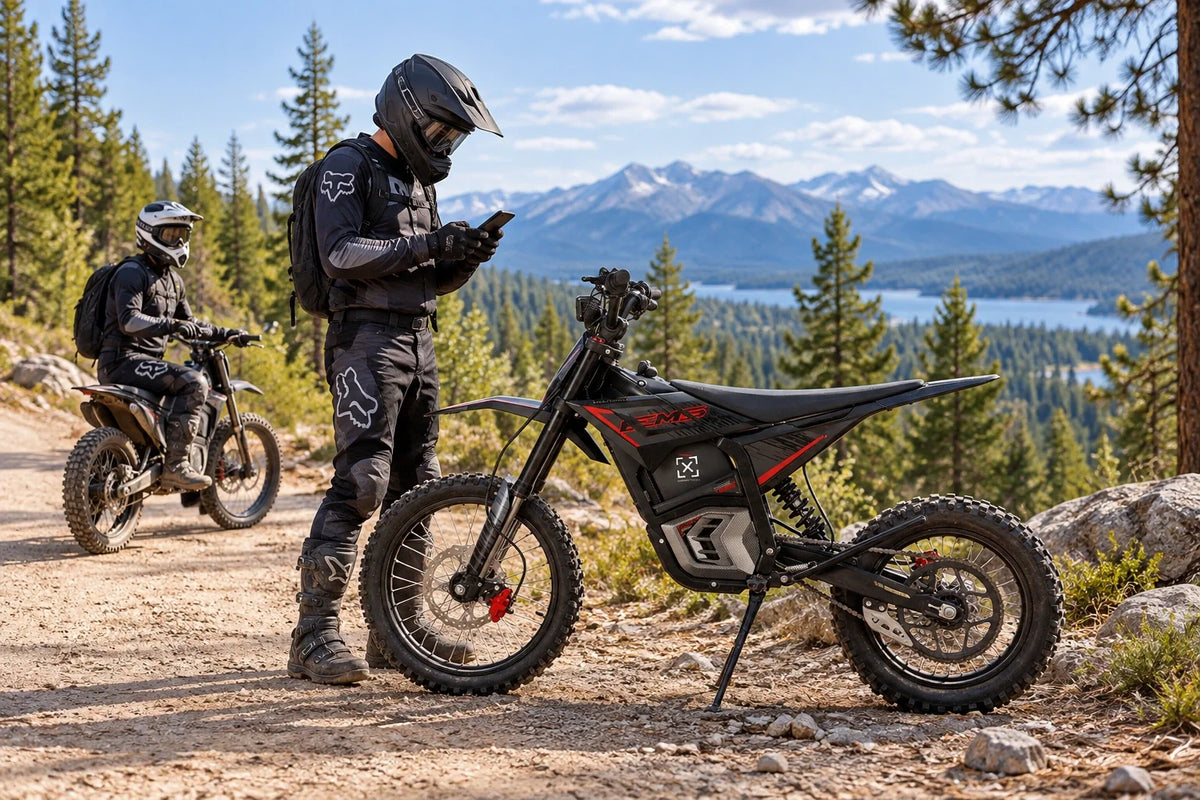
Electric Dirt Bike Trailside Power Loss: Recovery Plan When the Battery Is Dead
When an electric dirt bike loses power on the trail, first make the scene safe and decide whether the battery is simply depleted or the bike has a fault. Move out of the travel line if the bike can...
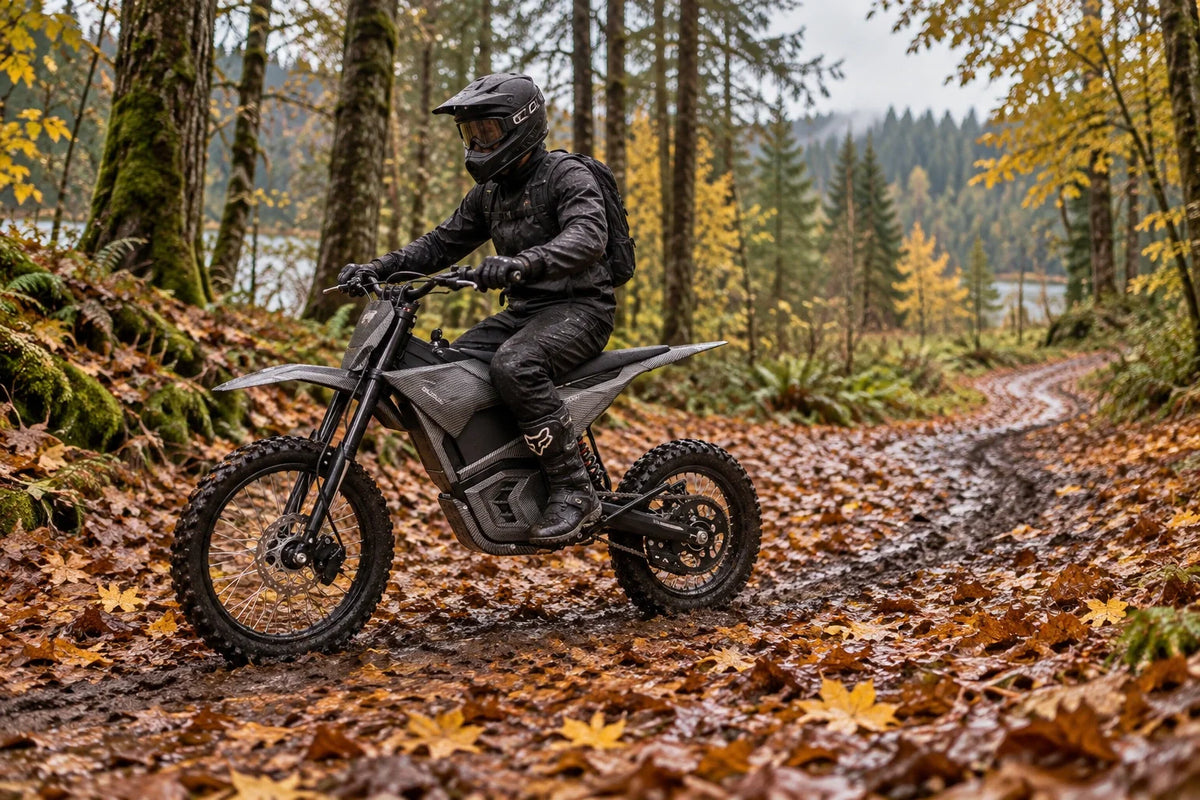
Electric Dirt Bike Fall Riding on Wet Leaves: Grip, Hidden Obstacles and Braking
Wet leaves reduce grip and hide the surface that determines it. A thin layer on firm soil may slide under braking; a deep layer can conceal roots, rocks, ruts and holes; decomposing leaves can beha...
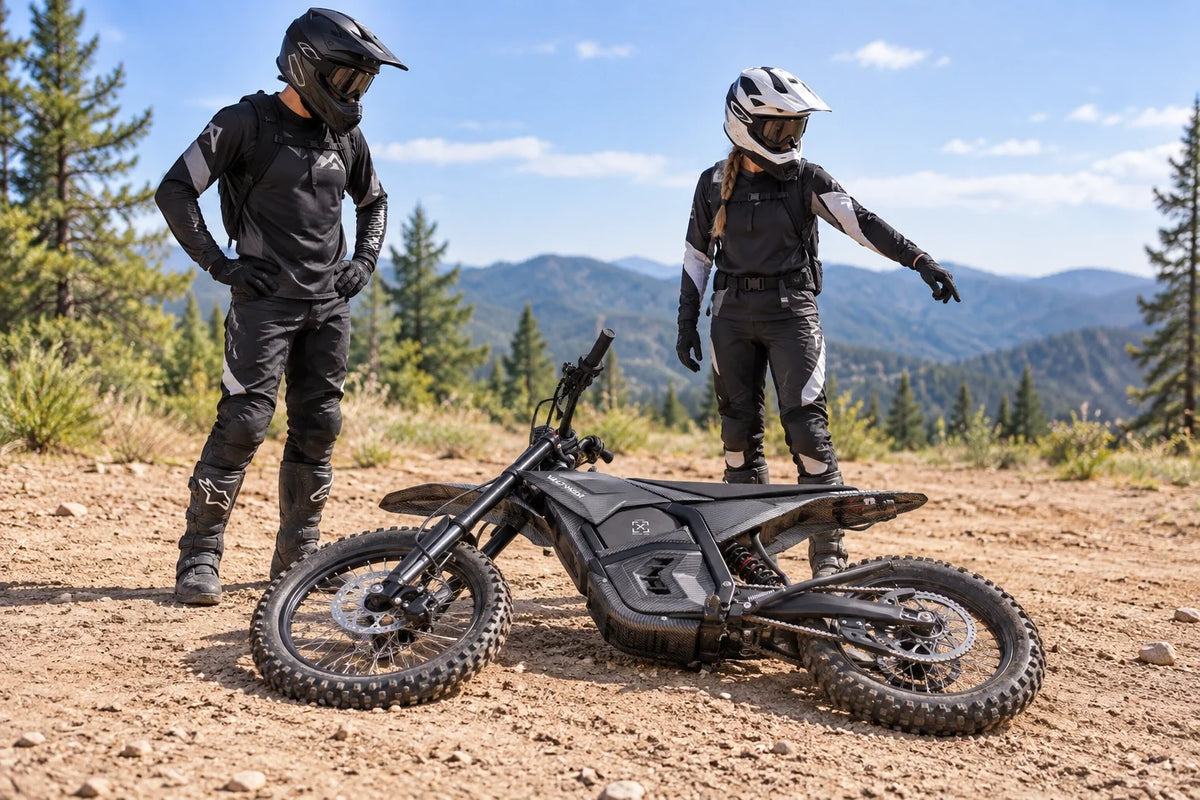
How to Lift a Fallen Electric Dirt Bike Without Hurting Yourself or the Bike
Do not lift a fallen electric dirt bike until people, terrain and battery hazards are assessed. A bike on a slope, near traffic, pinning a rider or showing battery heat, smoke, hissing, odor, swell...
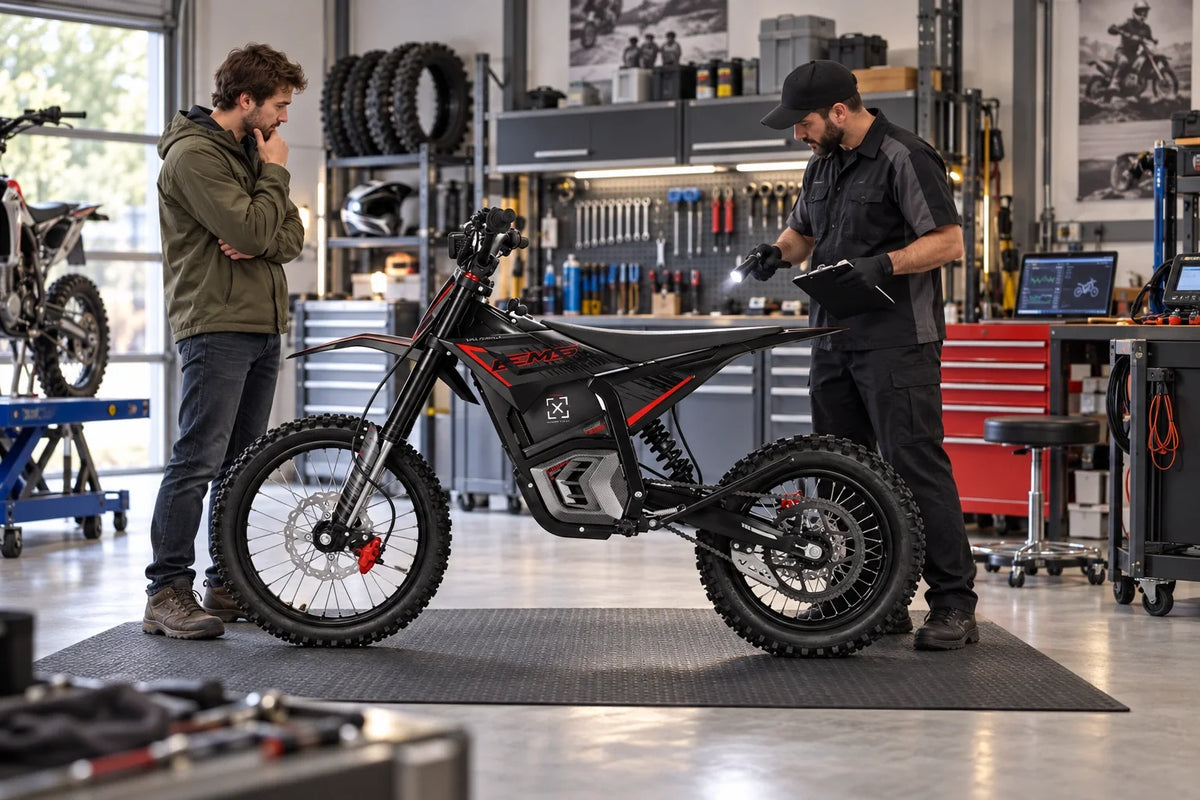
How to Choose an Electric Dirt Bike Repair Shop: Questions to Ask Before Service
Choose an electric dirt bike repair shop by matching the shop’s real capability to the actual job. Ask about experience with the model and component, access to manuals and parts, battery isolation ...