Stay In The Know
Expert advice. Very good deals. The absolute best (and worst) things we've tested lately.
¿Tienes una cuenta?
Inicia sesión para finalizar tus compras con mayor rapidez.

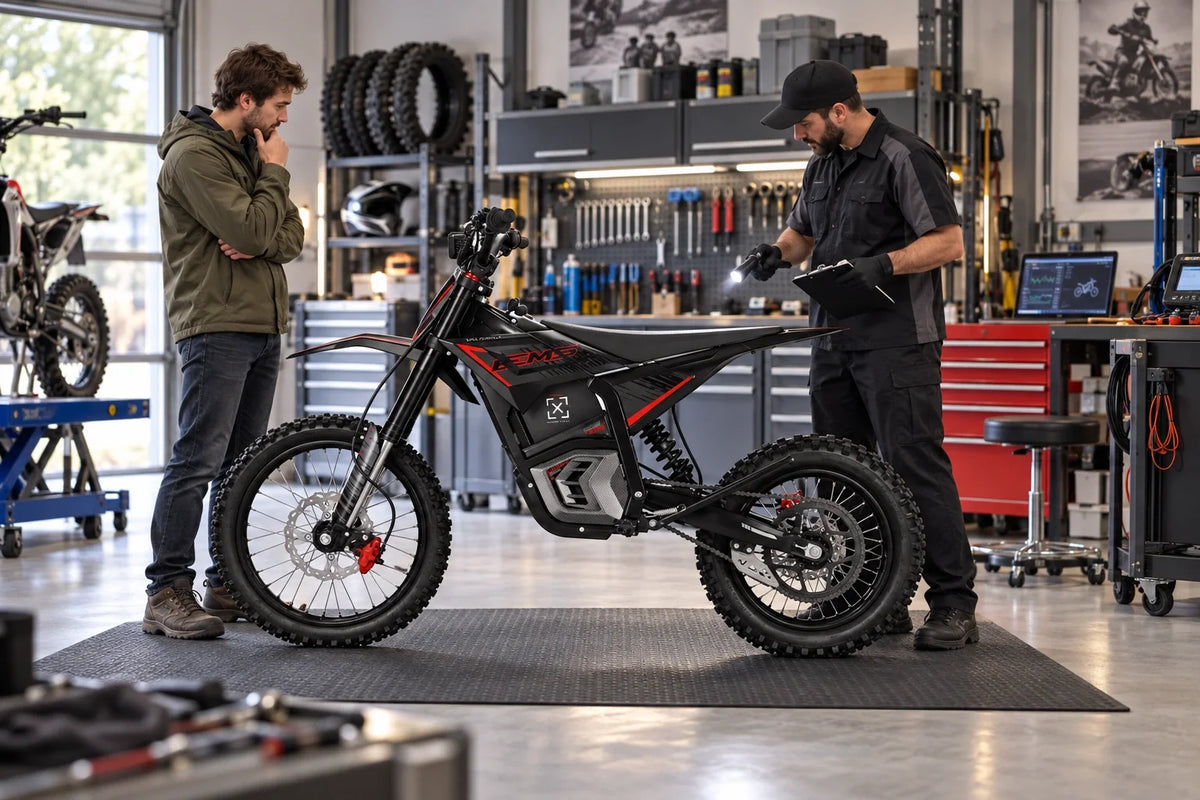
Choose an electric dirt bike repair shop by matching the shop’s real capability to the actual job. Ask about experience with the model and component, access to manuals and parts, battery isolation and storage, diagnostic method, written estimates, authorization limits and repair warranty. A general bicycle shop may be excellent for tires but decline high-energy electrical work; a motorcycle shop may handle chassis service but lack the product-specific electrical information.
Bring the current Valtinsu user manual and begin support contact through the Valtinsu homepage when warranty authorization or model-specific parts may be involved. Confirm any replacement through Valtinsu accessories rather than asking a shop to infer compatibility from appearance.
Write the symptom, when it occurs, recent changes and safety effect. Separate the requested task from your suspected cause. “Rear brake drags after warming; wheel turns freely when cold” is a useful scope. “Replace the caliper” commits to a part before diagnosis. Include model, serial range privately, brake/tire/battery configuration and relevant error codes.
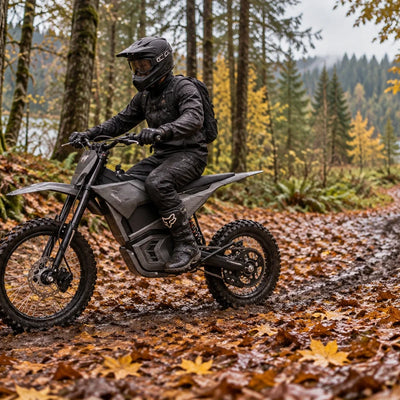
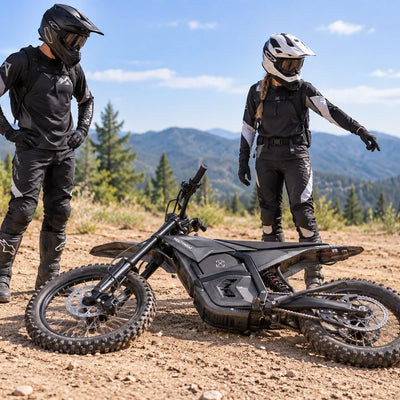
 Figure 1. Official Valtinsu EM5 Pro product image accompanying define the service scope before calling. Confirm component locations and limits against the exact model page and current manual.
A shop does not need to perform every category. A trustworthy answer can be a clearly defined limitation and referral.
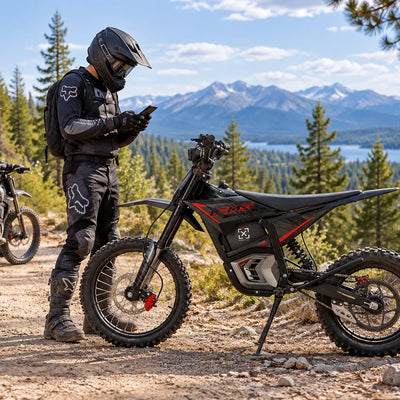
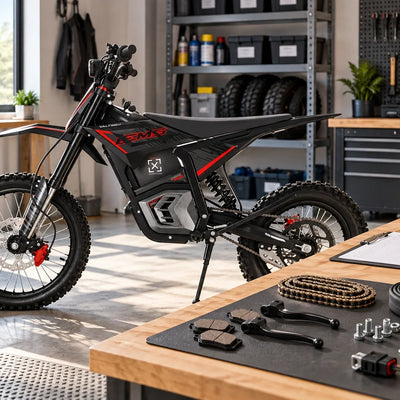
 Figure 2. Official Valtinsu EM-5 product image accompanying match the shop to the work category. Confirm component locations and limits against the exact model page and current manual.
● Have you serviced this model or the fitted brake, suspension and electrical system?
● Can you access the current manual, diagrams and service bulletins?
● How will you confirm part numbers and production revisions?
● Which procedures require manufacturer authorization or software?
● What work do you decline or refer elsewhere?
Certification can indicate training, but the FTC notes that certification alone is not a guarantee. Specific experience, process and documentation matter.
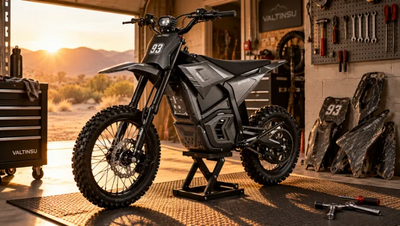
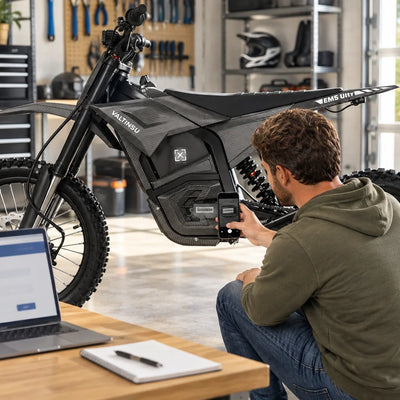
 Figure 3. Official Valtinsu EM5 Ultra product image accompanying ask about model and component experience. Confirm component locations and limits against the exact model page and current manual.
Ask how the shop identifies, isolates, stores and monitors lithium-ion batteries, and what it does with a damaged or overheating pack. The answer should not involve opening an enclosure without authorization, charging with a universal charger or placing a suspect pack beside ordinary inventory. Confirm whether the shop can accept the battery at all and how transport must occur.
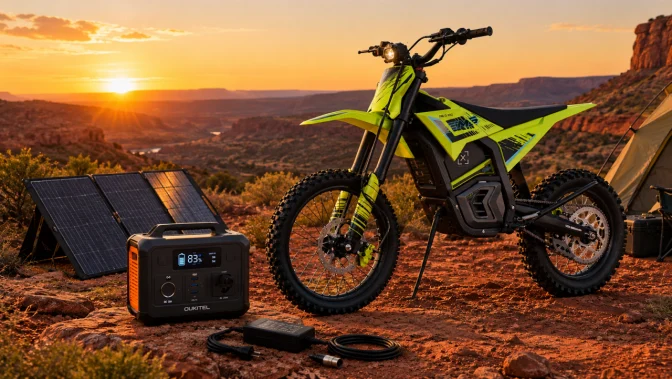
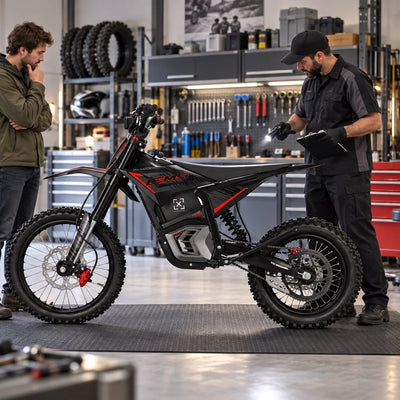
 Figure 4. Official Valtinsu EM5 Ultra product image accompanying inspect battery safety before leaving the bike. Confirm component locations and limits against the exact model page and current manual.
Diagnosis is work even when it does not lead to repair. Ask the hourly or flat diagnostic charge, what tests are included, whether the fee applies to repair, and what output you receive. Set a written authorization limit: the shop must contact you before exceeding an amount or moving from non-invasive checks to disassembly.
The FTC recommends a written estimate identifying the condition, parts and anticipated labor. Local law may add requirements. Do not authorize blank work orders or verbal “whatever it takes” limits.
Ask who supplies parts, how compatibility is documented and whether electrical items need pairing or firmware. If you provide a part, clarify responsibility for fit, labor and warranty. Request return of replaced parts where permitted, except hazardous or warranty-return components that must follow documented handling.
Ask the shop to explain the first diagnostic branch and what evidence would move to the next. A strong answer distinguishes observation from conclusion. It does not promise a controller, battery or motor before basic connections, supply, sensor and load conditions are checked.
● Confirm the original concern and diagnosis.
● Check every part number, labor line and approved additional charge.
● Ask for measurements, codes and test results where relevant.
● Obtain the repair warranty and limitations.
● Confirm software or configuration changes.
● Perform a static inspection and conservative verification before normal riding.
 Figure 5. Official Valtinsu EM5 Pro product image accompanying review the completed repair order. Confirm component locations and limits against the exact model page and current manual.
A second opinion is reasonable when diagnosis is not supported by tests, the repair is expensive, battery replacement is proposed from a single symptom, or the shop cannot explain compatibility. Share the same evidence package with both shops so the comparison is fair.
● Universal charger proposed for diagnosis.
● High-energy electrical work without isolation or battery policy.
● No written estimate or authorization limit.
● Part replacement without basic evidence.
● Refusal to identify installed parts or provide a completed repair order.
● Pressure to bypass a safety sensor or ride-test an unsafe condition.
When the bike does not have an urgent safety fault, a routine inspection or clearly scoped wear service can reveal how the shop documents intake, protects components and communicates findings. Do not manufacture a test problem. Review whether the technician records existing damage, verifies model identity, covers or separates friction surfaces, and returns the bike with a clear repair order.
A clean shop is helpful, but process evidence matters more: correct support equipment, calibrated tools where required, protected battery storage, labeled parts, controlled fluids, access to technical information and a clear approval path. Ask how mistakes or comeback repairs are handled. A confident shop should be able to describe the limits of its work without making every job sound simple.
Confirm whether the battery should remain installed, its allowed state for transport, and how the bike must be secured. Tell the shop about any heat, impact or intermittent power event before arrival. Do not arrive with a potentially damaged battery unannounced. Record bike condition, mileage or hours, accessories and keys at handoff, and obtain an intake receipt.
A repair authorization should state what the shop may inspect, test and disassemble before additional approval is required. Describe the symptom and safety concern without prescribing the failed part. Ask the shop to confirm whether its initial fee covers visual inspection, electronic diagnosis, road testing, battery evaluation and a written estimate.
Ask where lithium-ion batteries are stored, how damaged or suspect packs are isolated and whether the shop works on the bike's voltage and connector system. A shop that accepts mechanical work may still decline sealed battery, BMS or charger diagnosis. Clarify that boundary before transporting a battery with heat, swelling, odor or impact damage.
Require approval before parts substitution, firmware changes, battery opening or work beyond the estimate. Ask for removed parts, test results and photos where practical. The final invoice should identify the cause found, part number installed and verification performed. A vague line such as "electrical repair" provides little value for future service or warranty records.
A repair shop can give a better answer when it knows the bike's voltage platform, brake type, wheel format and symptom history before the appointment. Use the Valtinsu electric dirt bike collection to identify the model, then send the shop the relevant page, manual and unedited photos. Ask whether it can diagnose that system rather than whether it repairs e-bikes in general.
For the Valtinsu EM-5 Pro, the product page identifies a 60V/27Ah adult off-road platform with hydraulic disc brakes. That information helps the shop assess battery-handling capability, tools and likely parts access before accepting the job. Require a written diagnostic boundary and estimate, and do not authorize battery opening, firmware changes or substitute electrical parts without clear approval.
Use Valtinsu's electric dirt bike service and ownership resources as the broad ownership reference, then confirm every procedure, part and limit against the exact model page and current manual.
|
Shop criterion |
What good looks like |
Red flag |
|
Model capability |
Names the systems and limits it can service |
Promises to fix any e-bike without asking the model. |
|
Battery safety |
Has isolation, storage and damaged-pack procedures |
No clear process for heat, swelling or impact damage. |
|
Authorization |
Written scope, estimate and approval threshold |
Open-ended replacement permission. |
|
Verification |
Documents measurements and post-repair checks |
A test ride is the only stated proof. |
Requirements vary. Verify applicable licenses, relevant training, model/component experience and a safe process rather than relying on one badge.
Use this quick classification:
● Capability: experience with the bike's voltage class, brakes, suspension and diagnostic interfaces.
● Safety process: battery isolation, damaged-pack handling, storage and emergency procedure.
● Documentation: written scope, estimate, authorization limits, parts policy and post-repair test method.
For limited mechanical work, possibly. Battery, hydraulic, alignment or complex electrical work may require a controlled facility and equipment.
It can be reasonable when scope and output are clear. Get the amount and authorization limit in writing.
Ask first. The shop may limit labor warranty or refuse unverified safety-critical parts.
Follow this check sequence:
1. Describe the fault, trigger and current rideability before transporting the bike.
2. Ask for a diagnostic scope and estimate that separates inspection from parts replacement.
3. Review the completed work order, measurements, replaced parts and verification result before pickup.
Read the written warranty and obtain required authorization before repair. Coverage and reimbursement rules vary.
When the diagnosis is unsupported, cost is high, scope expands unexpectedly or a major electrical assembly is proposed without foundational tests.
A test ride may be appropriate after some repairs, but the shop should explain who rides, where, under what conditions and how pre-existing damage is documented. Brake, steering or intermittent power faults may require static checks and a controlled low-speed test before any normal-speed verification. Put authorization in writing and remove personal accessories or data when practical. If the shop cannot describe its battery-safety process, insurance, diagnostic limits or post-repair checks, do not treat a road or trail ride as a substitute for a documented repair procedure.

Looking for something else?
Looking for something else?