How Many Hours on a Dirt Bike Is a Lot? Dirt Bike Engine Hours
How many hours on a dirt bike is a lot depends on maintenance, riding style, and engine type. Dirt bike engine hours often tell you more about the bike’s condition than its age. A bike with 100 well-maintained hours may be a better buy than one with 40 hard or neglected hours. This guide explains engine life, warning signs, inspection points, and resale value.
So buyers freeze. On a race bike, 100 hours already sounds like a lot. Put that same number on a trail bike with a stack of receipts and a clean cold start, and it's barely worth mentioning. Same digits. Two completely different machines, two completely different prices.
Here's what the number actually means, broken down by bike type — plus how engine design and terrain change the math, when a rebuild is really due, and how hours move resale. And one machine that ducks the whole question: an adult electric off-road motorcycle, which has no engine hours to count in the first place.
|
Quick answer: What counts as high hours on a dirt bike depends on how the bike is used. For a motocross or race bike, 100 hours is high. A gently ridden trail bike can pass 200 or even 300 hours and still be worth buying. Treat the hour meter as a starting point, then check the service history, cold-start performance, and compression. Electric dirt bikes have no pistons, valves, or top-end rebuilds to track. Treat the meter as where you start looking — service history, a cold start, and a compression number are what actually close the deal. Electric dirt bikes? No pistons, no valves, no top-end. Nothing to count.
|
How Many Hours on a Dirt Bike Is a Lot?
Used-bike buyers and first-time owners often ask how many dirt bike engine hours are too many before making a purchase. The answer depends on the bike, how hard it was ridden, and how well it was maintained. Depends on the bike. That's the honest answer, and anyone who gives you a single magic number is guessing. A 250F or 450F that's been raced hard hits high-hour territory around 100. A trail bike ridden on weekends treats that same 100 as nothing special.
Cross 200 or 300 and it's all about the upkeep. Some machines keep going well past that. A neglected one falls apart before it ever sees 100. The hours set the expectation. The maintenance sets the reality.

Quick Dirt Bike Engine Hours Chart
Use these dirt bike engine hour ranges as a starting point when shopping for a used bike. Compare the hours with the bike’s service records, riding type, cold-start behavior, and overall condition before deciding whether it is worth buying.
|
Dirt bike type
|
Low hours
|
Moderate
|
High hours
|
|
Motocross race bike
|
Under 40
|
40–100
|
Over 100
|
|
Competition enduro bike
|
Under 50
|
50–150
|
Over 150
|
|
Recreational trail bike
|
Under 100
|
100–250
|
Over 250
|
|
Air-cooled play bike
|
Under 100
|
100–300
|
Over 300
|
|
Electric dirt bike
|
N/A
|
N/A
|
No engine hours
|
A fresh top-end helps a tired engine. It doesn't touch the transmission, crank, suspension, frame, or wheel bearings — those keep their full hour count whether the piston is new or not.
Why Hours Alone Can't Show a Bike's Condition
An hour at race pace, engine screaming near redline, does more damage than an hour cruising a fire road. Now stack on deep sand, mud, dust, steep climbs, a clutch that never gets a break — every one of those makes the recorded hour bite harder.
The meter logs time. Nothing else. It won't tell you the oil got changed, the filter stayed clean, or whether anyone bothered to let it warm up before twisting the throttle. Service records fill in the blanks. And a maintained 200-hour trail bike usually beats a thrashed race bike showing 60 — every time.
|
Rider note: The meter starts the conversation. It doesn't end it. A clean logbook beats a low number, no contest.
|
How Long Does a Dirt Bike Engine Last?
Dirt bike engine life depends on the engine type, displacement, riding conditions, and maintenance history. The sections below compare 2-stroke and 4-stroke engines, different engine sizes, and race versus trail use to explain which setup typically lasts longer with regular maintenance. In most cases, lower-stressed trail engines can run longer than high-revving race engines, while 4-strokes may go more hours between major rebuilds than similar 2-strokes.

Two-Stroke Engine Life
Fewer valve-train parts than a four-stroke, sure. But the piston and rings still take a beating, and race use, lazy jetting, dusty intake air, or a botched fuel mix all eat into top-end life fast. Casual trail two-strokes tend to run up to roughly 100 hours before they want serious attention. The top-end job itself is simpler than the four-stroke equivalent — but don't forget the crank, bearings, seals, clutch, and gearbox. They all keep aging while you're fussing over the piston.
Four-Stroke Engine Life
Feed a four-stroke clean oil, fresh filters, in-spec valve clearances, and a cooling system that works, and it'll run a long time — a well-kept trail four-stroke can see 300 to 500 hours. The catch: more parts means a pricier bill when something does let go. Hard starting, a ticking top-end, glitter in the oil, power slipping away — none of that is background noise. Chase it down.
250cc vs 450cc Race Engines
A 250F lives at high rpm because that's where it makes power, and that wears the piston, valves, and timing parts. At 100 hours you want records, or you budget for a teardown. A 450 makes torque lower down and can lug along at fewer revs — but all that grunt still pounds the clutch, gearbox, chain, and frame. Race a 450 and 50 hours is already real use. Trail-ride either one and both stretch way past that. For example, 100 hours may already be high for a 450 used in hard racing, while a well-maintained trail-ridden 450 may reach 150 to 250 hours before major engine work is needed. These are general estimates, so always follow the model-specific service intervals listed in the owner’s manual.
Trail and Recreational Bikes
Trail and play bikes run mellow engines, softer power, lighter service needs. Plenty of them clear 200 or 300 hours on nothing more than clean oil, clean air, and adjustments made on time. Riders doing the long-term cost math keep landing on the same thought — an electric dirt bike drops oil changes, valve checks, pistons, and the whole fuel system off the list completely. More on that teen-friendly electric option further down.
Is 30, 100, 200, or 300 Hours a Lot?
Is 30, 100, 200, or 300 hours on a dirt bike a lot? The answer depends on whether it is a race bike or trail bike, how well it was maintained, and its current condition. Use the table below as a buyer benchmark, not a service schedule, and follow the “what to check” column before deciding whether the bike is worth buying.

|
Hour mark
|
Race bike
|
Trail bike
|
What to check
|
|
30 hours
|
Several events
|
Low use
|
Oil, filter, chain, seals, brake pads
|
|
100 hours
|
High use / resale point
|
Normal use
|
Valve checks, piston work, compression
|
|
200 hours
|
One or more rebuilds likely
|
Practical with records
|
Bearings, linkage, clutch, drivetrain
|
|
300+ hours
|
High use
|
Moderate-to-high
|
Full service story for engine + chassis
|
No paperwork at any of these marks? Then the big-ticket parts are a question mark, and the price should say so.
When Does a High-Hour Dirt Bike Need a Rebuild?
A high-hour dirt bike may need a top-end rebuild when compression drops, cold starts become difficult, piston noise appears, or oil consumption rises. A top-end rebuild usually covers parts such as the piston, rings, valves, or cylinder. A full engine rebuild may also include the crankshaft, bearings, transmission parts, and other lower-engine components.
Do not approve major engine work based on the hour meter alone. Pay for a compression test or leak-down test when the bike has hard-starting problems, weak power, smoke, unusual engine noise, or no clear service history. The results can help show whether the problem is limited to the top end or points to deeper engine wear.
|
Don't take “full rebuild” at face value. Ask what got replaced, and at what hour reading. “Rebuilt” means nothing without a parts list. “Valves done” usually means adjusted, not repaired. Dated receipts with hours on them — that's the only proof worth anything.
|
How to Inspect a Used High-Hour Dirt Bike
Start before anyone touches the starter. Once it's warm and wiped down with fresh oil or cleaner, half the warning signs vanish. Bring a flashlight, a rag, and a checklist made for that exact model.
1. Check the hour meter and overall wear Compare the recorded hours with wear on the foot pegs, controls, grips, brake discs, seat, and frame. Heavy wear on a low-hour bike needs an explanation. Confirm that the VIN and ownership papers match the bike.
2. Review service records Look for dated receipts that show valve checks, piston work, oil changes, bearing replacement, and other repairs. A phone photo of an open engine does not prove when or why the work was done.
3. Inspect the engine while cold Touch the engine before the seller starts it. A warm engine may hide cold-start problems. Listen for rattling, knocking, or slow starting when the bike first fires up.
4. Check the oil, coolant, and air filter Look for metal or water in the oil, dirty coolant, or a clogged air filter. These signs may point to poor maintenance or internal engine wear.
5. Inspect the frame, wheels, and suspension Check welds and engine mounts for cracks. Spin both wheels to find bent rims or rough bearings. Inspect the fork tubes and shock shaft for oil leaks.
6. Test ride the bike Run through every gear under load. Watch for clutch slip, false neutrals, smoke, vibration, weak power, or unusual noises. A compression or leak-down test may be worth paying for when the bike shows warning signs or lacks service records.
How Dirt Bike Hours Affect Resale Value
Hours move the price because they help a buyer guess at wear and repair risk. But the same reading lands one way on a motocross bike and another on a beginner play bike. Condition and a paper trail are what shrink the risk.

A dirt bike’s resale value depends mainly on its hour-meter reading, service records, and maintenance history. Low hours may attract buyers, but they add little value if the bike has no proof of regular servicing. A higher-hour bike with dated receipts, documented rebuilds, and consistent maintenance may sell for more than a neglected low-hour model.
Buyers compare the hour reading with the bike’s visible condition. Worn controls, grips, brake discs, frame marks, or suspension damage may suggest harder use than the meter shows. Fresh graphics and new parts can improve appearance, but they do not replace a clear service history. When the hours, condition, and records support each other, the seller can usually justify a stronger asking price.
The Electric Dirt Bike Alternative: No Engine Hours to Count

Everything above this line exists because a gas engine starts wearing the second it fires. An adult electric off-road motorcycle skips all of it. No pistons. No rings. No valves. No top-end to rebuild, no oil to change. That nagging hour-meter math behind every used-gas-bike deal? Doesn't apply.
Not that an electric bike runs itself. Chains and sprockets wear, brake pads wear, tires wear, bearings wear, and the battery wants its own kind of care over the years. But the expensive, calendar-driven engine work — the exact thing that makes a 100-hour race bike a gamble — is just gone.
Valtinsu electric dirt bikes run geared motors that put torque down low, where real terrain needs it. The Valtinsu electric dirt bike collectiongoes from a 13+ entry bike up to adults-only performance models — all certified, all under warranty, and not one of them carrying a rebuild schedule.
|
Valtinsu EM-5 — Adult Electric Off-Road Motorcycle
The EM-5 has no engine-hour count or top-end rebuild schedule, so maintenance focuses on the battery, brakes, tires, chain, and other wear parts.
48V geared mid-drive | 3,840W peak | 148 lb-ft torque | 40 mph | 50-mi range | IPX6 | three ride modes (22 / 32 / 40 mph) | Age 13+
The only Valtinsu model rated under 18. Built for first dirt rides on private land, OHV parks, and trails — with zero engine hours to ever worry about.
From $1,259 USD | Free U.S. shipping over $999 | Explore the electric dirt bike EM-5 →
|
Which Valtinsu Fits Your Riding?
|
Model
|
Spec snapshot
|
Best for
|
|
EM-5 (13+)
|
48V | 3,840W | 148 lb-ft | 40 mph | 50 mi
|
First dirt rides, teen riders, easier starts
|
|
EM23 (16+)
|
60V | 4,000W | 184 lb-ft | 43.5 mph | big wheels
|
Older teens, open-ground cruising, highest torque
|
|
EM-5 Pro (18+)
|
60V | 5,600W | 177 lb-ft | 52 mph | 59 mi
|
Adults wanting stronger launch and fire-road speed
|
Want more speed and a harder launch? A higher-output adult model like the EM-5 Pro jumps to 52 mph and 59 miles of range.

|
Age rule — no exceptions: EM-5 = 13+, EM23 = 16+, EM-5 Pro = 18+ adults only. Parents shopping for a rider under 18 should choose the EM-5; for 16–17-year-olds, the EM23 also fits.
|
Conclusion
What counts as high hours on a dirt bike depends on how the bike was ridden, serviced, and maintained. For many race bikes, 100 hours is a high-use mark, while a trail or recreational bike can often pass 200 or 300 hours with regular oil changes, clean filters, on-time adjustments, and careful use. Check the cold start, engine noise, service receipts, rebuild history, and suspension condition before judging the bike by its hour meter alone.
A well-kept high-hour bike beats a neglected low-hour one more often than people expect. Dig into the history, inspect it properly, and build the likely repairs into your offer. And if counting somebody else's engine hours sounds like a chore you'd rather skip entirely — an electric dirt bike takes the engine math off the table. There's no top-end to rebuild, ever.
FAQs
How many hours will a 450 dirt bike last?
A 450 can go several hundred hours on moderate trail use and regular maintenance. Race it hard, though, and the gap between major services shrinks fast, because the engine, clutch, and chassis all carry heavier loads. Go by the model's owner's manual, not a one-size-fits-all number off a forum.
Is 100 hours on a dirt bike bad?
Not on its own. It's high for a race bike, perfectly normal for a maintained trail bike. Look at the rebuild records, the cold start, compression, engine noise, the bearings, and the suspension before you decide anything.
Is 30 hours on a dirt bike a lot?
Usually no — that's low for a trail bike and low-to-moderate for a motocross bike. Those 30 hours can still be brutal ones, though, if the bike got raced, ridden in deep sand, or skipped its service.
Is 200 hours on a dirt bike a lot?
It's high for a lot of competition bikes but fine for a rec trail bike. At 200, go over the engine, clutch, suspension, linkage, wheel bearings, chain, and sprockets carefully — don't just glance.
What lasts longer, a 2-stroke or 4-stroke?
Neither, automatically. A laid-back four-stroke trail engine can run a long time, while a race four-stroke needs closer attention. Two-stroke top-ends are simpler to rebuild, but how it's ridden and maintained matters more than the engine type.
What’s faster, a 250 or 450?
Stay within your skill level and local riding rules, since controllable power and usable torque matter more than top speed on most trails.
What’s quicker, a 2-stroke or 4-stroke?
Ride within local laws and your ability, because smooth power delivery and control are often more useful than maximum speed during trail and play riding.
Can a dirt bike go 70 mph?
Only ride at legal and safe speeds for the area, as traction, torque, braking, and rider control matter more than reaching 70 mph on most trails.
Sources
- Honda Powersports, “CRF250R/RX Owner's Manual”
- Honda Powersports, “CRF250F Owner's Manual”
- J.D. Power, “How Many Miles Can a Motorcycle Last?”
- Progressive, “Buying a Used Motorcycle”
- Cycle Trader, “Service History Essentials for Selling Motorcycles”
- Valtinsu, “Electric Dirt Bike Collection”
- Valtinsu, “EM-5 Electric Off-Road Adult Dirt Bike”


Looking for something else?
Electric Dirt Bike Replacement Parts Availability: What Buyers Should Verify Before Ordering
LEARN MORE
How to Check an Electric Dirt Bike for Safety Recalls by Model and Serial Number
LEARN MORE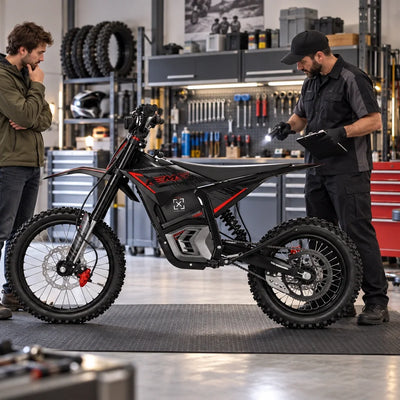
How to Choose an Electric Dirt Bike Repair Shop: Questions to Ask Before Service
LEARN MORE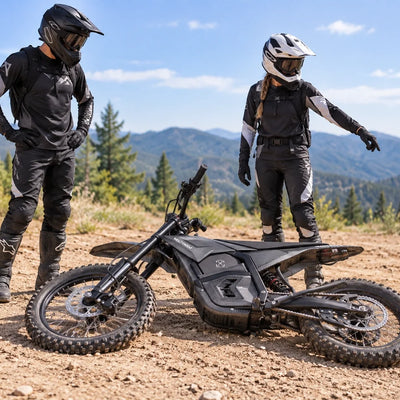
How to Lift a Fallen Electric Dirt Bike Without Hurting Yourself or the Bike
LEARN MORELooking for something else?
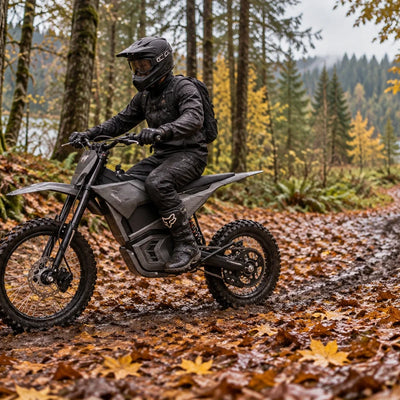
Electric Dirt Bike Fall Riding on Wet Leaves: Grip, Hidden Obstacles and Braking
LEARN MORE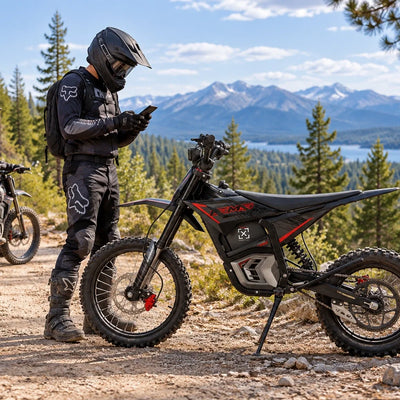
Electric Dirt Bike Trailside Power Loss: Recovery Plan When the Battery Is Dead
LEARN MORE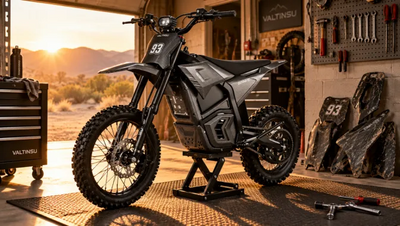
Electric Dirt Bike Plastics Replacement Guide: Fitment, Color Kits and Install Order
LEARN MOREYou may also like
Moto eléctrica todoterreno para adultos EM-5 con luz
$969.00
$1,559.00
VALTINSU EM-5 Pro Off-Road Black Electric Dirt Bike
$1,699.00
$1,899.00
VALTINSU EM-5 Pro Green Electric Dirt Bike
$1,699.00
$1,899.00
VALTINSU EM-5 Ultra Electric Dirt Bike
$2,199.00
$2,499.00
VALTINSU EM-5 & EM-5 Pro Combo
$2,658.00
$3,458.00